Tracing Bonus Structures Through Payment Choices on Swedish Mobile Platforms
Skriven av Theo Hayes · 2026-08-22
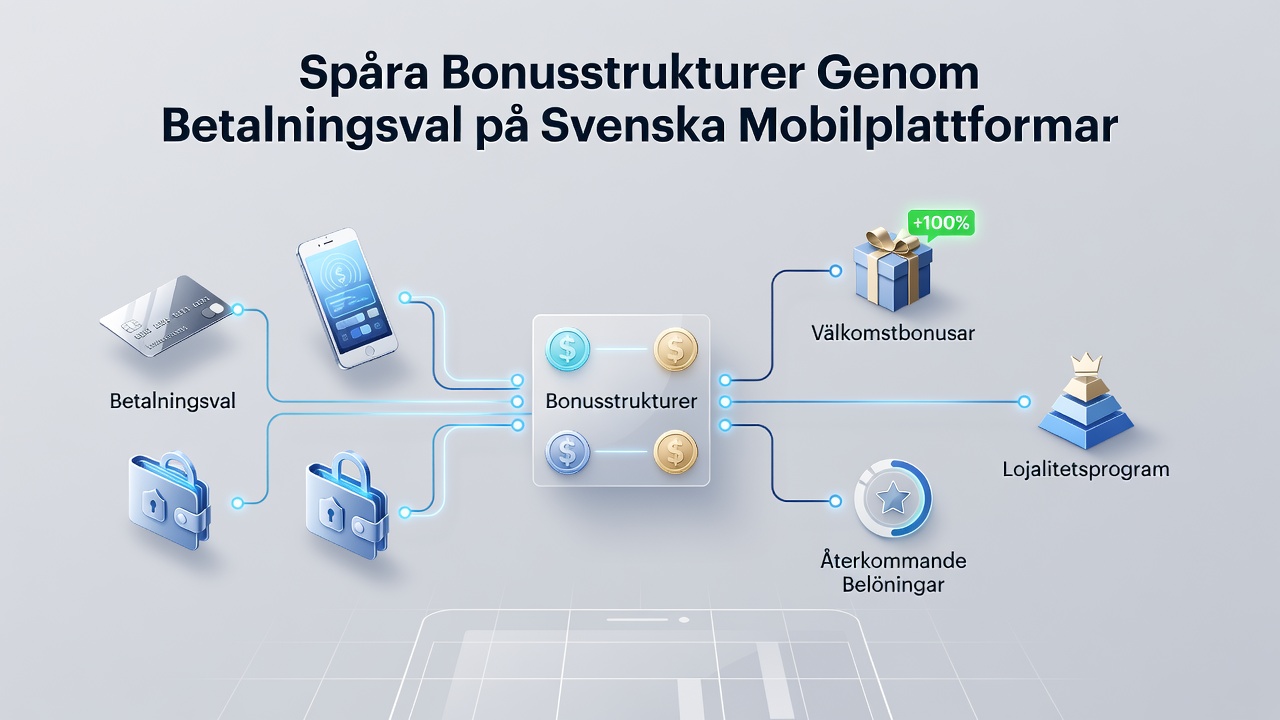
Tracing Bonus Structures Through Payment Choices on Swedish Mobile Platforms
Regulatory Framework Shaping Mobile Bonus Tracking
Sweden maintains strict oversight through the Swedish Gambling Authority which requires all licensed operators to document how deposit methods influence bonus eligibility and payout conditions, and data from 2025 shows mobile users accounting for over 70 percent of all registered accounts on regulated platforms. Operators must log each payment transaction alongside associated bonus triggers, creating traceable records that regulators review during annual audits, while August 2026 updates to reporting standards have introduced mandatory API integrations that link payment gateways directly to bonus ledgers on mobile applications.
These rules apply uniformly across devices yet mobile platforms introduce additional layers because users often switch between instant bank transfers and digital wallets within a single session, and observers note that such flexibility forces operators to maintain separate bonus structures for each method to stay compliant.
Popular Payment Methods and Associated Bonus Mechanics
Swish remains the dominant choice for Swedish mobile users because it processes deposits in real time and many platforms tie welcome bonuses exclusively to Swish transactions, whereas Trustly and other bank transfer services frequently carry higher minimum deposit thresholds that unlock tiered bonus percentages. Credit card payments, although accepted, trigger distinct bonus calculations due to higher processing fees, and studies from Stockholm University indicate that users selecting card deposits receive 15 to 20 percent lower average bonus values compared with instant bank options.
Mobile wallets such as PayPal and Skrill operate under separate bonus pools because they allow cross-border transactions that fall under additional anti-money laundering checks, and researchers have documented cases where operators adjust bonus expiration periods based on the verification speed of each wallet provider.
Technical Tracing Mechanisms on Mobile Applications
Modern Swedish gambling apps embed unique identifiers within payment APIs that automatically record which bonus structure activates upon deposit confirmation, and this system allows operators to generate compliance reports without manual intervention. When a user selects a payment method the application cross-references the chosen provider against a preloaded matrix of bonus rules, then displays the resulting terms before the transaction completes, while backend databases store these decisions for up to five years as required by current licensing conditions.
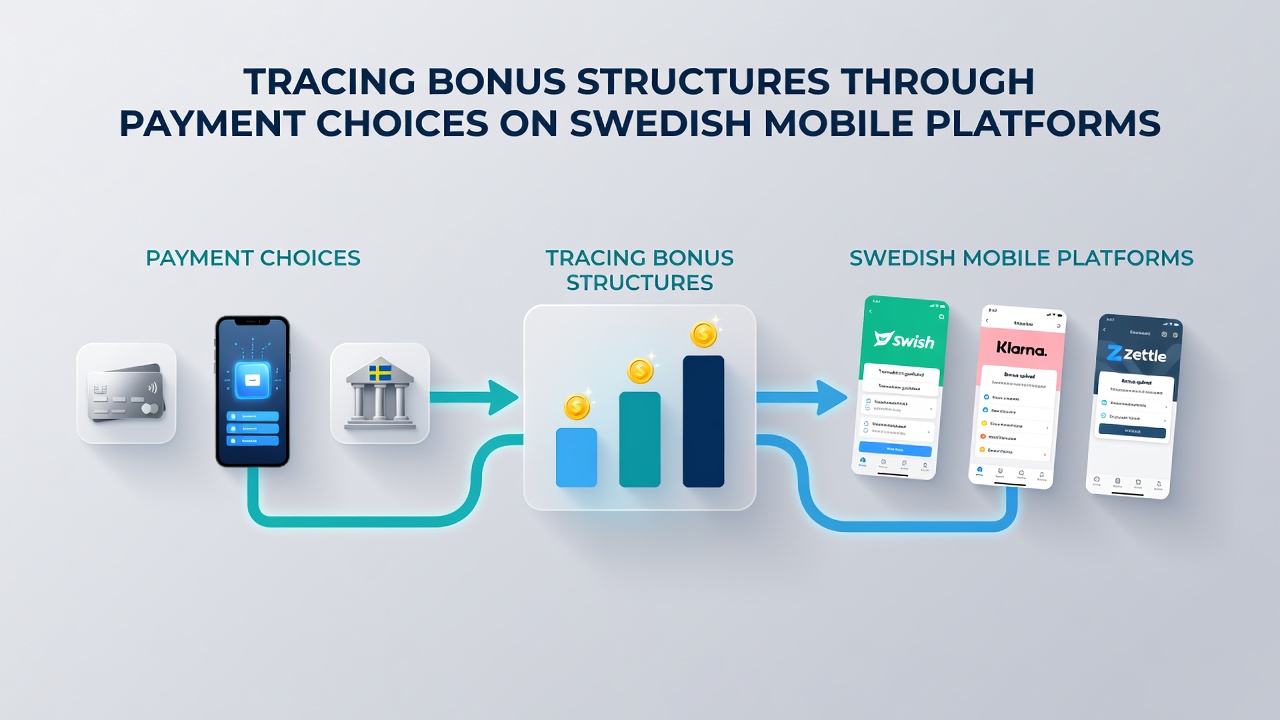
August 2026 brought enhanced encryption standards for these data flows, and analysts from the European Gaming and Betting Association report that encrypted logs now reduce discrepancies between front-end displays and regulatory submissions by nearly 40 percent across participating platforms.
Data Patterns Emerging from Payment-Bonus Correlations
Analysis of anonymized transaction data reveals that mobile users who consistently choose instant bank transfers receive bonus renewals at higher frequencies than those using card or e-wallet methods, and this pattern holds across both casino and sports betting verticals. Figures released by the Swedish Gambling Authority show that bonus redemption rates for Swish deposits reached 68 percent in the first half of 2026 compared with 51 percent for credit card deposits during the same period, while operators adjust marketing campaigns accordingly to highlight payment-specific offers.
One documented case involved a major platform that altered its bonus matrix after internal audits revealed that certain wallet providers generated higher chargeback volumes, leading to reduced bonus caps for those methods without affecting overall user acquisition targets.
Future Developments in Mobile Bonus Transparency
Industry groups continue to push for standardized data formats that would allow users to view their personal bonus history sorted by payment method within mobile apps, and early pilots in 2026 have shown improved user retention when such transparency tools are available. Regulators have signaled that additional disclosure requirements may take effect by late 2027, focusing on real-time notifications when a payment choice alters bonus terms mid-session.
Conclusion
Payment choices on Swedish mobile platforms directly determine which bonus structures apply, and regulatory systems combined with technical logging ensure these connections remain fully traceable. Data collected through 2026 demonstrates clear differences in bonus values and redemption rates across methods, while ongoing technical upgrades continue to strengthen the accuracy of these records for both operators and oversight bodies.